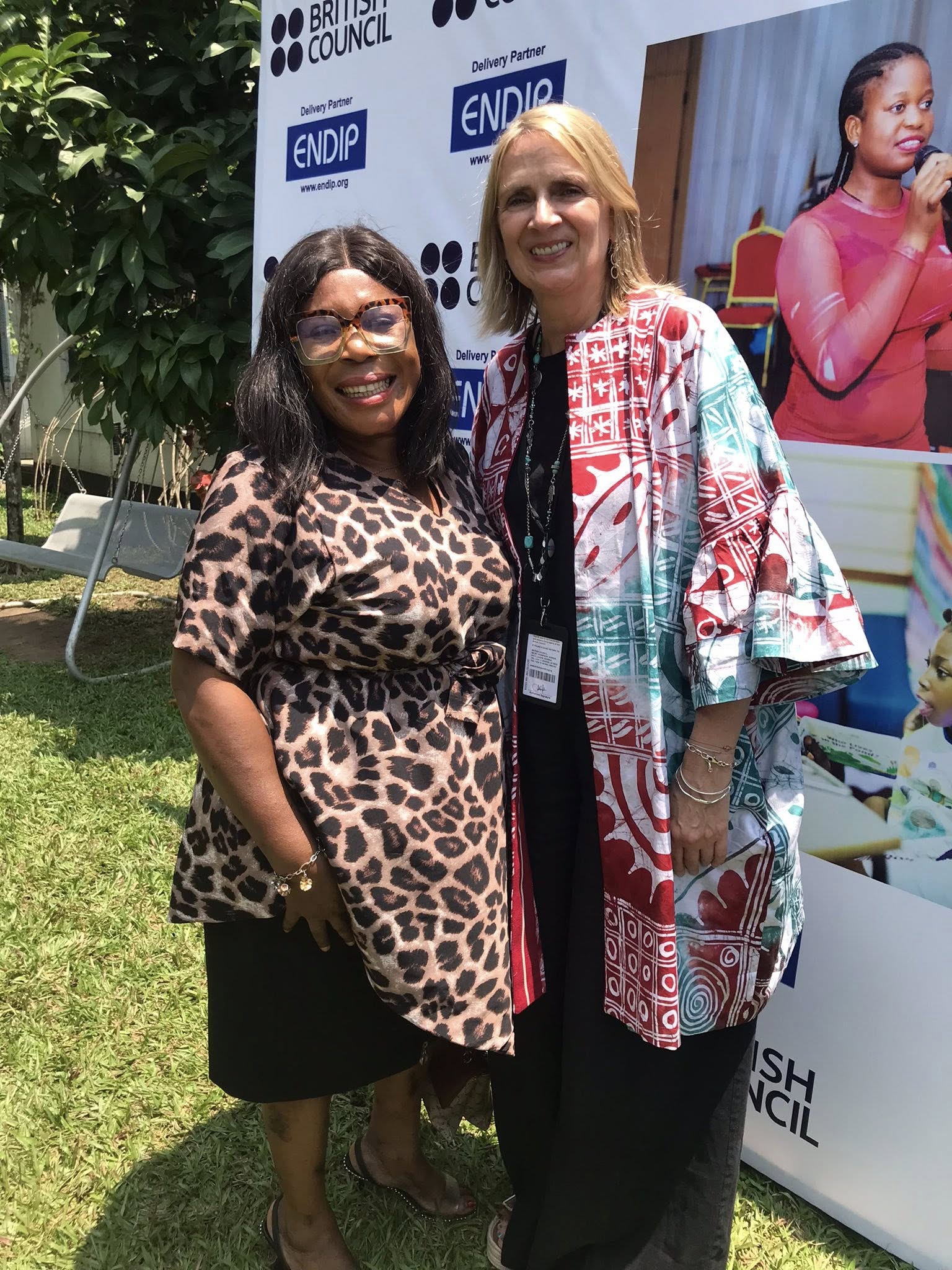
There’s a clear distinction between grassroots work and policy work. The Maria Foundation excels at the former—handing out uniforms and pads, meeting students where they are. But this week, their Director, Princess Chioma Amanze, took a seat at the policy table, right in the prestigious environment of the British Council office in Ikoyi, Lagos.
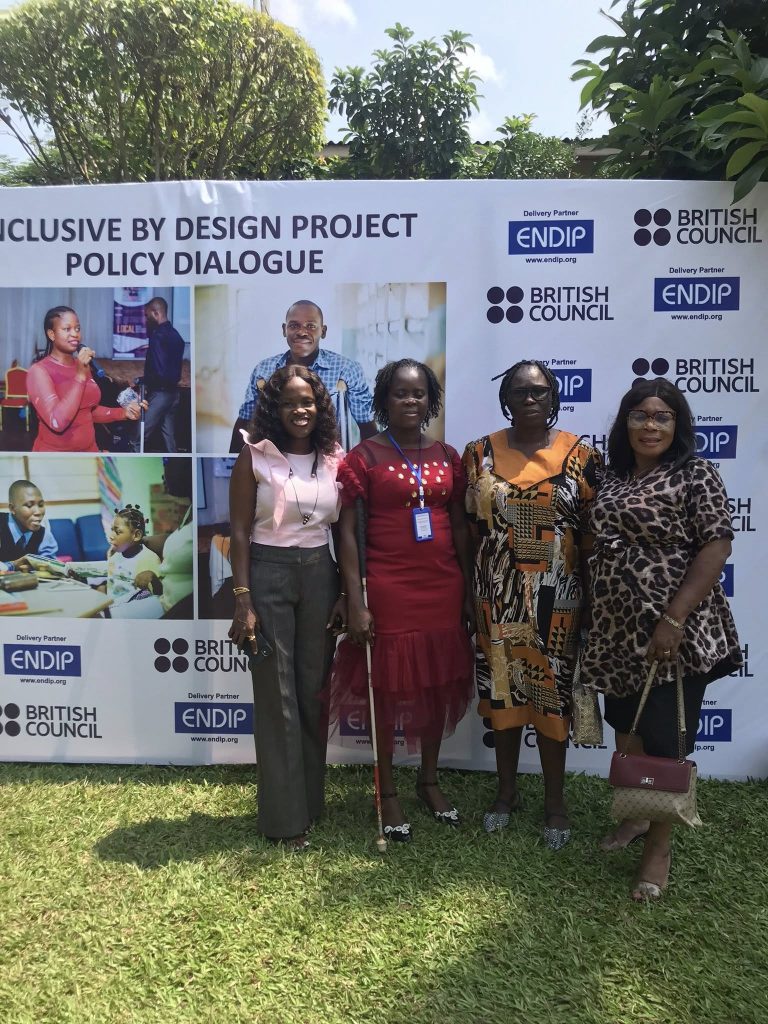
The goal of the ‘Inclusive by Design’ Policy Dialogue was ambitious: to stop merely talking about inclusive education and start mandating it across Nigeria. For two intense days, this high-level forum brought together policymakers, educators, and NGOs like the Maria Foundation to transform the vision of equal opportunity into concrete national action plans.
🗣️ Princess Chioma: The Voice of the Unseen Student
The presence of the Maria Foundation was crucial. Policy documents are often perfect on paper but fail the moment they meet the reality of a rural or underserved public school. Princess Chioma’s role was to be the voice of the students in Orile and Meiran.
Her contribution cut straight through the theoretical discussions, focusing on how systemic issues like period poverty and the simple lack of school uniforms sabotage inclusion before any child even enters a classroom.
💡 “We can design the most beautiful, intricate policy for education, but if a girl is at home missing class because she cannot afford a sanitary pad, or a child is being mocked because of torn clothes, that policy has failed them,” she stated during her panel session. “Inclusion must start with dignity. It must be budgeted for, not just wished for.”
She emphasized the need for policy to formally recognize and integrate the work of CSOs, ensuring a continuous feedback loop between the government’s plans and the community’s needs.
🌉 Bridging the Policy-to-Practice Gap
The entire dialogue, known for its deep dive into the practicalities of implementation, focused on moving the Nigerian National Inclusive Education Policy (first launched and recently revised with British Council support) from a document to a daily reality.
Key discussions where the Maria Foundation’s insights proved invaluable included:
- Financial Inclusion: How state budgets must be allocated equitably, ensuring that schools in high-poverty areas receive the necessary funds for accessible infrastructure and learning aids.
- Teacher Readiness (Inclusive Pedagogy): Addressing the need for policy to enforce mandatory training that equips teachers to handle diverse learning needs, including Special Educational Needs and Disabilities (SEND).
- Accountability Frameworks: Generating recommendations for policy implementation monitoring to ensure that governors and school heads are accountable for creating a safe, inclusive learning environment.
🌐 The Ikoyi Connect: A Collaborative Future
The conference, held in the British Council’s strategic Ikoyi location, successfully fostered the kind of high-stakes collaboration required for national change. It was a successful convergence of visionary planning from the government and real-world expertise from civil society.
By demanding that inclusion be “designed” into the system—not bolted on as an afterthought—the Maria Foundation, alongside other stakeholders, ensured that the conversation remained grounded in the lived experiences of every Nigerian child. This meeting in Ikoyi was a powerful reminder that the fight for education equality is fought not just in classrooms, but in the halls where policy is forged.
Leave a Reply